
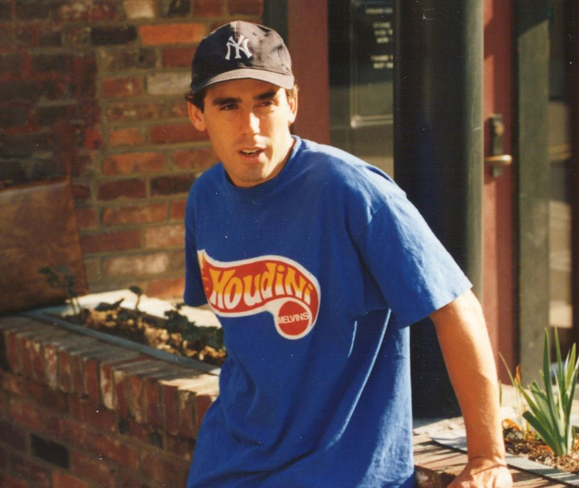
Ryan Crowder still remembers the first time Bill White came into view at East Lake High School in Tarpon Springs, Florida. It was not a formal introduction, not a handshake or a carefully staged moment. It was a glimpse of someone moving through the ordinary school day with an energy that made him impossible to miss.
“I just saw this guy coming up the sidewalk dancing around,” Ryan recalled. “Of course, later on I found out he was listening to R.E.M. Bill was a huge R.E.M. fan, as was I.”
That first image stayed with him because it seemed to reveal something essential about Bill before Ryan even knew his name. Bill was animated, musical, funny and open. He had the rare quality of seeming familiar almost immediately.
“Bill was just a real kindred spirit, just somebody I knew instantly I’d like to be friends with,” Ryan said. “You meet a few people in your lifetime like that, where you almost know when you see them that you’re drawn to them and you’d really like to get to know them.”
Ryan Crowder still remembers the first time Bill White came into view at East Lake High School in Tarpon Springs, Florida. It was not a formal introduction, not a handshake or a carefully staged moment. It was a glimpse of someone moving through the ordinary school day with an energy that made him impossible to miss.
“I just saw this guy coming up the sidewalk dancing around,” Ryan recalled. “Of course, later on I found out he was listening to R.E.M. Bill was a huge R.E.M. fan, as was I.”
That first image stayed with him because it seemed to reveal something essential about Bill before Ryan even knew his name. Bill was animated, musical, funny and open. He had the rare quality of seeming familiar almost immediately.
“Bill was just a real kindred spirit, just somebody I knew instantly I’d like to be friends with,” Ryan said. “You meet a few people in your lifetime like that, where you almost know when you see them that you’re drawn to them and you’d really like to get to know them.”
Between the end of the school day and the start of band practice, Ryan, Bill and a few other friends created their own small ritual. They would gather at local restaurants, eat, talk and let the hours before rehearsal become a fellowship of teenage music, faith, jokes and conversation.
“A couple of other guys and Bill and I all hung out together,” Ryan said. “We kind of had a ritual where between school ending and band practice we’d all get together at a restaurant in Palm Harbor, Florida, eat and hang out together and talk about whatever. It was a neat fellowship type of thing.”
Faith was part of that connection, too. Ryan knew Bill came from a deeply spiritual family and that his parents were missionaries. Ryan shared that foundation, and the two friends found common ground in Christian fellowship as well as music.
“Bill was really spiritual and I knew his parents were missionaries,” Ryan said. “I was spiritual, too. Still am. We had a lot in common with religion, both being involved in Christian fellowships.”
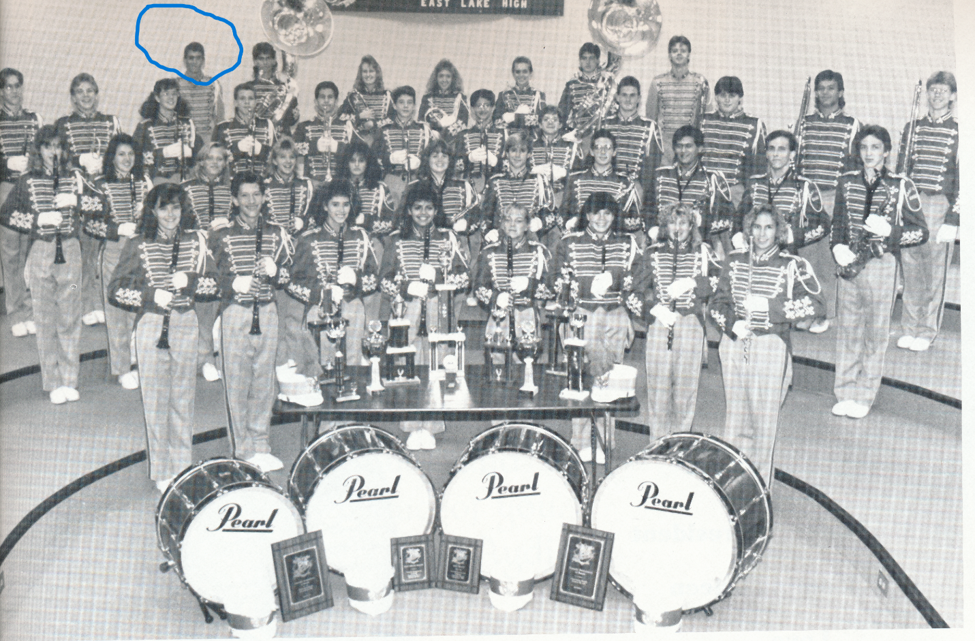
But Bill was not remembered only as a friend in the group. He was remembered as someone who could lead it. In only his second year in the East Lake High School band, Bill became drum major, a role that required command, confidence and trust. Ryan watched the audition and saw Bill rise to the moment with unmistakable purpose.
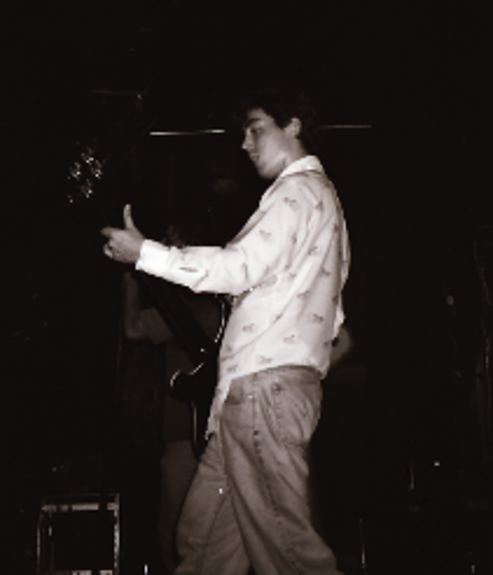
“You want to talk about someone who is a leader,” Ryan said. “Bill was just amazing. I remember when we had tryouts for drum major. We were all there and involved in the process. Bill got up there and he absolutely nailed it. You could just tell that it was something he absolutely wanted. It was pretty amazing that he just got up there, first shot and nailed it. When we saw the audition we just knew he was going to be the guy. He was our leader that whole next year.”
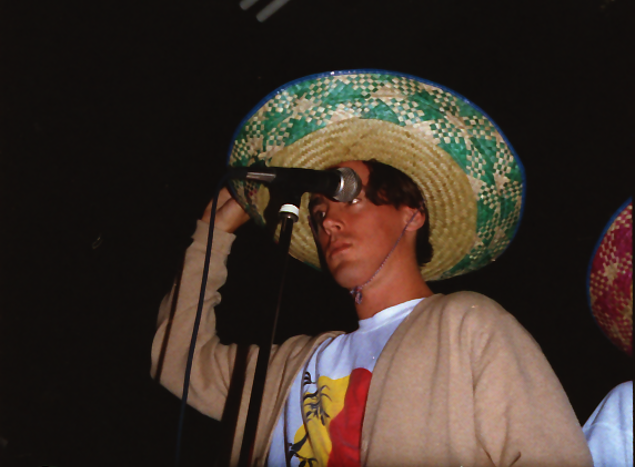
Bill’s leadership did not make him solemn. If anything, it gave him a bigger stage for the humor that Ryan still recalls vividly. The East Lake band, under band director Mr. Tony, was disciplined and demanding. Students were expected to stand at attention without fooling around. Bill understood the rule. He also understood how to test everyone’s composure.
“We had this thing where you had to stand at attention,” Ryan said. “Mr. Tony was our band director and he had a pretty disciplinarian-type band. He would always be on us and say, ‘When you’re at attention, you’re at attention. No fooling around or goofing around.’ Bill would literally be standing in front of the band director making faces at us while we’re standing at attention. He’d just try getting a laugh or rise out of us.”
That mix of mischief and command was part of what made Bill so effective. He could make people laugh, but when he asked them to follow him, they did. Ryan remembers one competition near Sarasota, Florida, where Bill gave the band a different kind of instruction before the awards were announced.
“We went into that competition and kind of knew we were going to do well,” Ryan said. “We had been to other competitions and whenever a band would win, they would announce, ‘X High School – Superior’ or whatever the school name would be. When they would announce the winner the people would just go absolutely nuts. All the band members would go crazy and start screaming and jumping. But going into that competition, Bill pulled everybody aside and said, ‘You know what? We’re going to do good tonight. I know how we are, how we practice and how we perform. When we win, nobody move. Just stand there at attention and take it all in. Don’t act like the other people we see when they win. Stand there, take it all in, relish the moment and do it with class.’”
The band won that night—again and again. Ryan said East Lake earned six superiors, and each time the announcement came, the students held themselves exactly as Bill had asked. “That was something I’ll never forget, just the fact that he thought enough to think to do that,” Ryan said. “And we did. Every time they announced us as winners that night we just stood there and looked at each other with our eyes, but we didn’t overreact to it. Everybody did what Bill said to do because we respected him so much. We knew that when he said that as our leader that was the way we were going to be.”
On other trips, Bill became what Ryan called a ringleader, not simply because he was drum major, but because of the pull of his personality. The bus rides were filled with conversation, laughter and music. R.E.M. songs mingled with Simon and Garfunkel singalongs, and Bill was often at the center of it all.
“When we’d go on other competitions Bill was kind of the ringleader, not because he was our drum major, but because Bill was just being Bill,” Ryan said. “We’d have great conversations on the bus, be cutting up laughing, having a great time.”
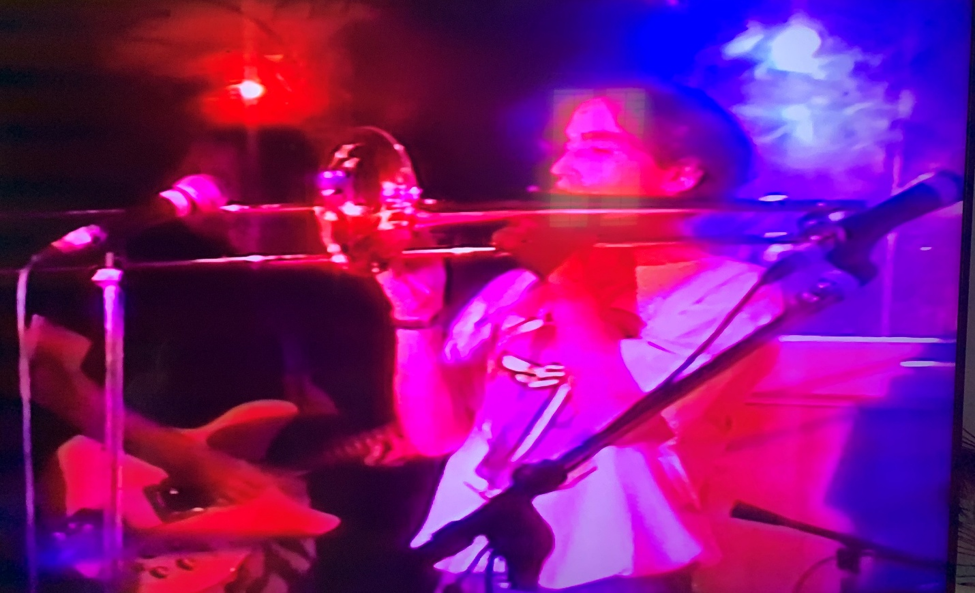
Ryan always sensed that Bill would move toward something larger. Bill’s musicianship was already obvious in high school. He played drums, trombone and piano, and later, while rooming with former East Lake classmate and soccer teammate Travis Tooke during their freshman year at the University of Florida, he taught himself guitar. In For Squirrels, where real-world performance experience was still developing, Bill’s musical background helped him play an integral role in shaping bridges, transitions, lyrics and the architecture of songs.
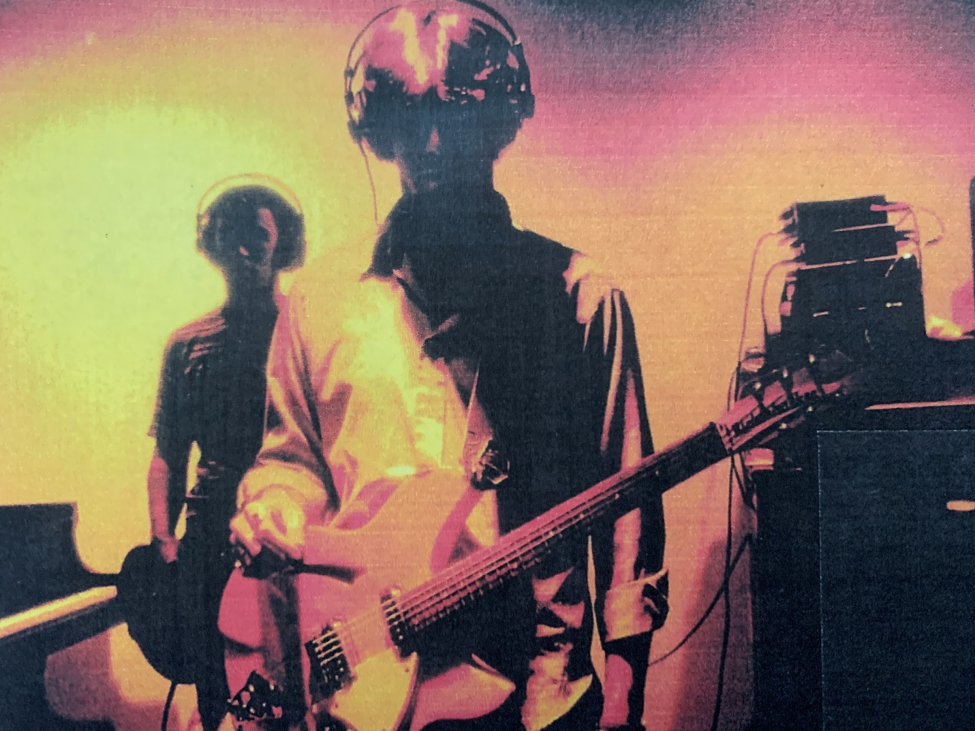
“Bill just had an amazing music ability and talent,” Ryan said. “He was a great trombone player. When he was our drum major everything was just spot on. We had a few other previous drum majors, but Bill kind of elevated it to another level.”
So when Bill became the bassist in For Squirrels, Ryan was not shocked by the direction his friend’s life had taken.
“I just kind of always knew Bill would be on to bigger and better things in life,” Ryan said. “You just looked at him and knew he’d go somewhere and do something amazing. So, I wasn’t really surprised when I heard how well they were doing with For Squirrels.”
Ryan first heard For Squirrels’ debut album Baypath Road after the band used student loan money to record it at Mirror Images Studio in Gainesville in late 1994. He was already inclined toward the sound, but his reaction went beyond loyalty to a friend.
“I loved it,” Ryan said. “It was just awesome. I was a huge fan of that type of music at the time and still am. It was great stuff, and it wasn’t just because he was my friend. When I listened to it for the first time I was like, ‘Wow. He really did something special here. They did something awesome.’”
The last time Ryan saw Bill was in Gainesville at the University of Florida, when he was taking his sister and her friend there and happened to run into him. The memory is brief, but it became part of the final chapter Ryan would have with his friend.
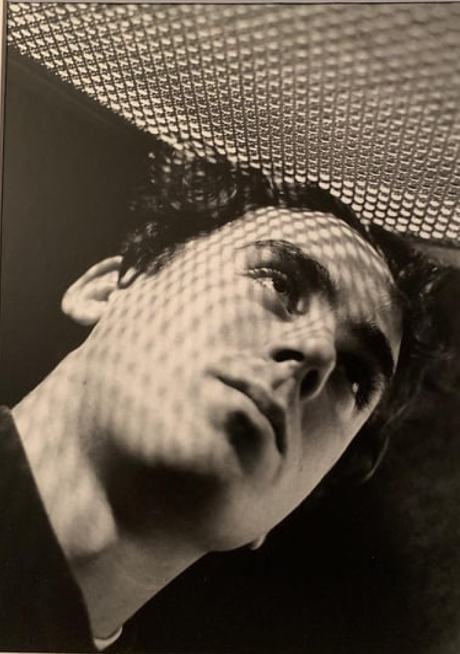
On Sept. 8, 1995, For Squirrels was traveling home to Gainesville after finishing a tour and playing the CBGB in New York. The band was trying to get back to Florida in time to see R.E.M. perform in St. Petersburg, a cruelly fitting detail given the music that had helped connect Bill and Ryan years earlier. In Midway, Georgia, the tour van blew a tire and was involved in a crash. Bill, who was just 23 years old, lead singer Jack Vigliatura (21) and tour manager Tim Bender (23) were pronounced dead at the scene. Travis (23) and drummer Jack Griego (28) were seriously injured and hospitalized, but eventually recovered from their physical injuries.
Ryan learned the news from his close friends.
“My friends Jim and Pete came over and told me about the accident,” Ryan recalled. “I thought it was weird that they were coming over and they wanted to sit down to talk to me. All three of us actually went to the funeral service. It was a huge service. A lot of people. It was a reunion of sorts of a lot of us who went to high school together coming back together. We were all just standing there trying to figure it out. We were all just so shell-shocked.”
For Ryan, the loss was not abstract. It was the sudden disappearance of someone who had seemed destined for a wider life, someone who made other people feel lifted simply by being near him.
“Absolutely flooring and life altering to hear that somebody so young who I thought so highly of could be gone,” Ryan said. “You can go to funerals and it’s a horrible, horrible thing, but when it’s someone who is so young, has so much promise and is just full of so much life, it’s devastating. Bill was a great guy and a great friend. He just had so much positive energy around him. You fed off of it. You wanted to be around him any chance you had. You felt better when you did. You felt better about yourself.”
Ryan also knew Bill’s brother, Jon White, who was in Ryan’s graduating class at East Lake High School. Around Bill, though, Ryan felt something he still struggles to fully describe: a magnetism, a largeness, a spirit that made people want to gather close.
“Bill was one of the favorite people I ever met,” Ryan said. “People like Bill just kind of draw you in. It’s hard to describe. He was just somebody who was larger than life. It reminds me a lot of my dad. My dad is a lot like that where everybody is drawn to him, everybody knows him, everybody wants to be around him. It’s just that spirit that you don’t see all the time. You maybe meet 5 to 8 people who make that kind of impression on you. Even to this day I think it had a big influence on my life and what I’ve become, the kind of person I am. You only meet a few people who totally blow you away and make you want to be better. Bill was one of those people.”
Ryan saw a similar spark in For Squirrels lead singer Jack Vigliatura, even though he did not know him as well. After the crash, For Squirrels’ second album, Example, arrived on Oct. 3, 1995, less than a month after the accident. Hearing it reminded him of the band’s wide range of musical influences, including R.E.M. and Nirvana, and it only deepened the grief because it sounded not like an ending, but a beginning that had been cut short.
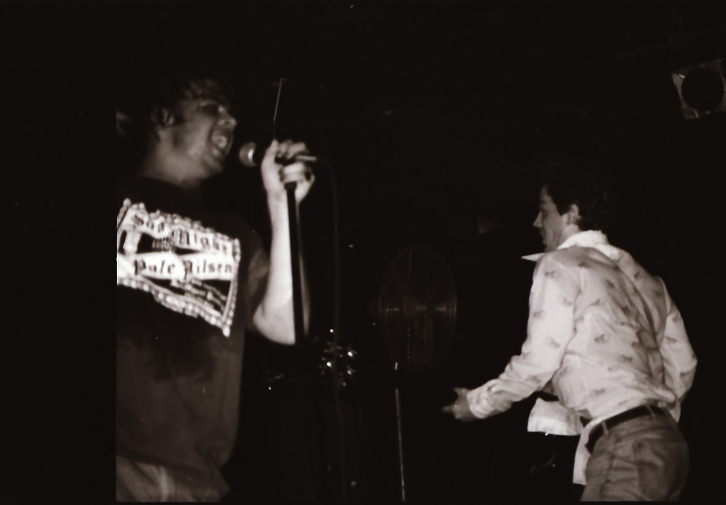
“That album was an example of where they were going,” said Ryan. “It was a great record, which made the accident all the more heartbreaking. It just left you wondering what they could have become. We could very well be talking about them like we talk about a lot of other bands. They just never got that chance. And they were right there on the cusp of it.”
That sense of unfinished possibility is part of what has kept Bill present in Ryan’s memory. The songs remained, but so did the high school afternoons, the bus rides, the laughter, the discipline, the friendship and the music that first gave them a language together.
“I still think of him all the time,” said Ryan. “It’s not just music when I think of him. But I can’t listen to the radio and hear R.E.M. or Simon and Garfunkel and not think of Bill White. And I will for the rest of my life because that’s the impact he left on my life, especially at a very impressionable time in our lives, just to have an influence like that.”